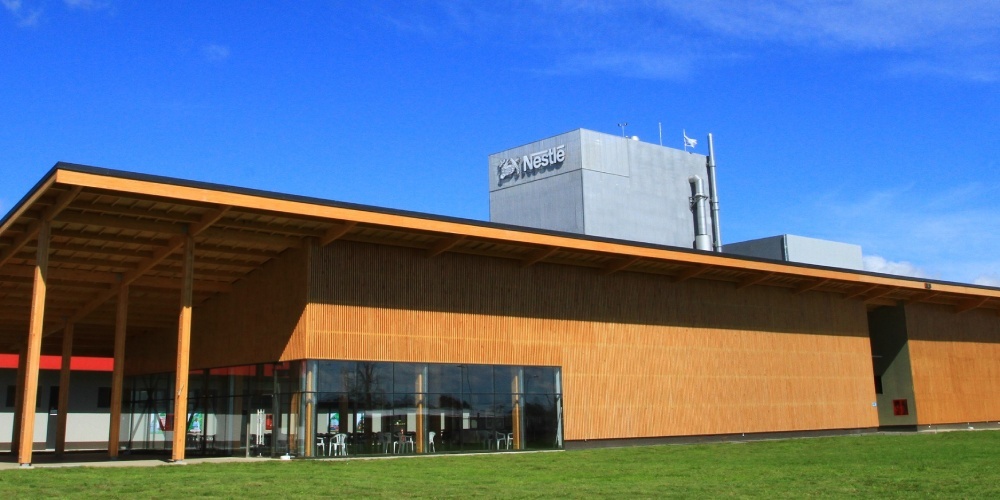

InvestChile
We are the government agency responsible for promoting Chile in the global market as a destination for FDI.
At the second edition of 50 Leaders Developing Talent, Nestlé’s Director of Human Resources was recognized for emphasizing the importance of technical-professional training for young people.
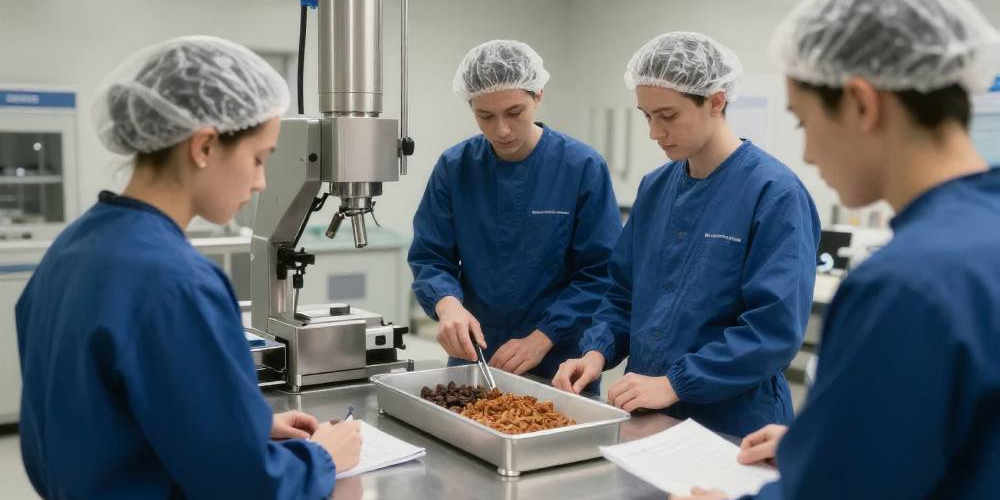
Helping young people develop new skills and prepare for the job market has become a challenge for companies. Technical and professional education can help align academic training with workforce needs amid technological change and the difficulty of securing a first job.
In this context, Juan Esteban Dulcic, Nestlé Chile’s Director of Human Resources, was recognized at the second edition of 50 Leaders Developing Talent. The initiative, promoted by the Chilean Chamber of Construction Training Organization (OTIC CChC) in partnership with Diario Financiero, recognizes executives and leaders who advance training, professional development, and innovation within their organizations.
The October 28 awards ceremony brought together representatives from the public, private, and academic sectors to highlight experiences that foster skill development, inclusion and ongoing learning.
Integrating young people into the workforce has been part of Nestlé’s strategy for more than 11 years, Dulcic explained. A primary mechanism is dual education, a program through which students at technical-professional high schools combine academic training with hands-on experience at a company.
The strategy also involves hiring some of these young people after they graduate from high school and supporting them as they pursue further technical-professional training. According to the executive, this process contributes to the company’s growth and the employees’ social mobility.
The company’s strategy also includes regional initiatives. In 2026, Nestlé announced new initiatives tied to the Pacific Alliance Youth Summit and launched NestCrea, a free digital platform offering training and skills development to young people in Chile, Colombia, Mexico and Peru.
Young talent
Dulcic says that bringing in young talent is part of Nestlé’s culture. The company offers students at technical-professional high schools the opportunity to pursue dual education by attending school while working at Nestlé.
“When they finish their senior year, we hire them and help them continue their studies toward a higher technical-professional degree. After five years, these young people join our factory and operations, adding significant value and improving their socioeconomic position,” she explains.
This approach mirrors that of the company’s parent company in Switzerland, where the education system encourages young people to choose early between university and technical-professional education. Seventy percent choose the latter. “They can continue to develop their technical expertise and may also transition to the academic-university track. In other words, the model is very flexible. Unemployment in Switzerland stands at 2.5%,” he notes. In Chile, youth unemployment is above 20%.
“This is a cultural issue. In Switzerland and other European countries, they have realized that integrating young people into the workforce early is the way forward,” he asserts.
Dulcic believes the key is to encourage more young people to pursue technical-professional fields: “They now have more opportunities for employment and social mobility, as well as the option to continue their education over time. It is no longer enough to study at a university, technical institute, or high school. You have to keep learning—all the time.”
Source: The Clinic.