

The program includes regulatory changes and a prioritized project portfolio to attract bidders and address security challenges.
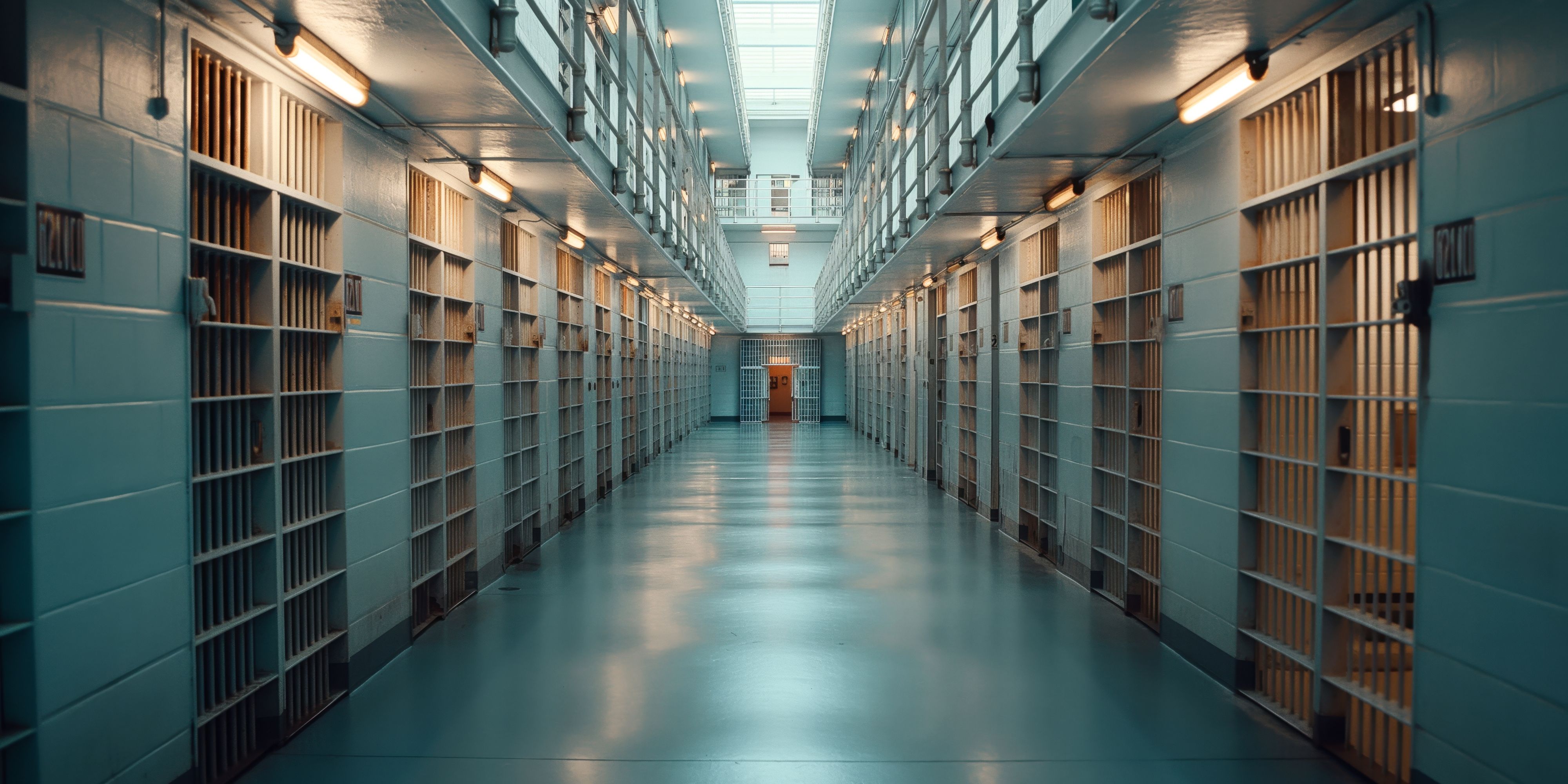
Chile has taken a decisive step toward modernizing its prison infrastructure with the launch of the Prison Infrastructure Master Plan 2022–2030 (approved in 2025). The plan aims to structure a project portfolio, create more attractive conditions for investors, and reduce the administrative timelines that often delay the start and implementation of works. The ultimate goal is to deliver modern, sufficient prison infrastructure more quickly to meet the country’s needs.
Why a master plan?
Growing demand for prison spaces and the need to improve facility quality have made the need for a comprehensive approach evident. The master plan serves as a public policy instrument that:
- Prioritizes projects (new facilities and expansions) within a clear time horizon, including the construction of new facilities such as Calama (1,850 spaces) and the expansion of the Santiago 1 Detention Center (1,600 spaces), as well as planned expansions in Valdivia and Puerto Montt (900 spaces combined), Rancagua (900 spaces), and Alto Hospicio and La Serena (1,659 spaces combined).
- Standardizes technical and design criteria to facilitate tenders.
- Provides greater predictability for authorities, communities, and investors by organizing the project portfolio and phasing calls for tender.
Project portfolio and phased timeline
The master plan structures a portfolio that includes projects in advanced stages, under tender, and scheduled for the coming years. The project portfolio is designed to phase tenders and construction works to ensure continuity in implementation, optimize resource use, and avoid bottlenecks. This includes both facility expansions and the construction of new regional complexes, distributed to serve different areas of the country in an equitable way. Notably, tenders for Alto Hospicio and La Serena (Northern Group), and Rancagua and Valdivia–Puerto Montt (Southern Group) are scheduled for the second quarter of 2027. Dates for other tenders will be defined subsequently.
Measures to attract more bidders
To make the market more attractive, the master plan and its implementation include:
- Provision of preliminary designs and clear technical specifications, reducing technical uncertainty for bidders.
- More standardized tender documents and requirements, facilitating proposal comparison and enabling new entrants.
- Streamlining of environmental permitting for expansions: expansions of concessioned facilities will not require an Environmental Qualification Resolution (RCA), which is estimated to reduce total timelines by more than 700 days.
This measure streamlines project schedules and reduces risks associated with environmental permitting and processes, while maintaining applicable mitigation measures and safeguards.
Together, these actions reduce exposure to delays due to permits and administrative procedures, lower the risk of cost overruns due to delays, and enable projects to progress with greater predictability from the tender award through to commissioning.
Risk management and safeguards
Tender documents incorporate clauses and mechanisms to manage risks and address exceptional situations, including rules for potential early terminations and specific social and environmental mitigation measures. This framework is designed to provide certainty for both the government and investors, ensuring that projects are implemented under higher standards of responsibility.
Expected benefits for the prison system
The combination of planning, technical clarity, and administrative streamlining is expected to deliver positive impacts such as:
- Faster availability of prison spaces and shorter timelines for construction works.
- Improved infrastructure quality, with facilities designed under modern, standardized criteria.
- Increased number of bidders, potentially resulting in more competitive and technically robust proposals.
- Better interagency coordination to mitigate impacts and ensure the social and environmental sustainability of projects.
The Prison Infrastructure Master Plan positions Chile to move forward more quickly and efficiently in the modernization of its prison system. By combining a prioritized project portfolio, preliminary designs, clearer rules, and reduced administrative burdens, Chile aims to attract more bidders and accelerate project implementation. The expected result is prison infrastructure with greater capacity and higher quality, delivered within significantly shorter timeframes than traditionally seen.